Table of Content
Your feedback will help us improve the educational information we provide. Your care team cannot see anything you write on this feedback form. If you have questions about your care, contact your healthcare provider. This section has the educational resources mentioned in this guide. They will help you get ready for your surgery and recover after your surgery. Provides a list of places to stay near treatment centers for people with cancer and their families.

The staff member will tell you what time to arrive at the hospital for your surgery. Stop taking NSAIDs, such as ibuprofen (Advil® and Motrin®) and naproxen (Aleve®), 2 days before your surgery. Stop taking vitamin E, multivitamins, herbal remedies, and other dietary supplements 7 days before your surgery. If you have not already filled out a Health Care Proxy form, we recommend you do now.
We treat every type of cancer, including the most important one: yours.
Tell the doctor about any medicines your child takes. Also let the doctor know if your child has any allergies. The valve opens when the pressure in the brain gets too high. This lets fluid drain from the brain into the peritoneal space. From there, the extra fluid is absorbed into the bloodstream and filtered out in the kidneys. One end of the upstream catheteris in a ventricle.
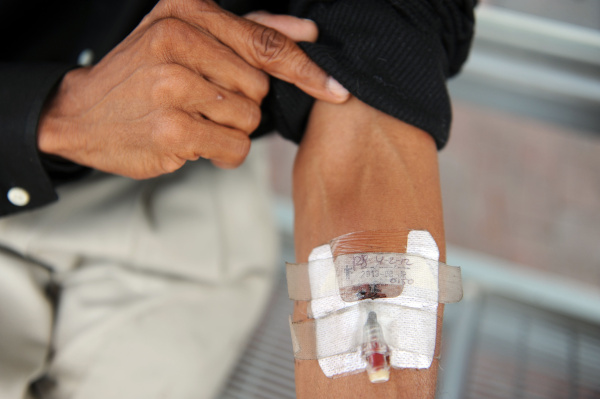
Don't use hydrogen peroxide or alcohol, which can slow healing. You may cover the areas with a gauze bandage if they weep or rub against clothing. Your child can shower after your doctor says it is okay to remove the bandages. See our Primary Care providers for regular check-ups, physical exams, medical screenings, and more. Problems with a VP shunt happen even with regular care and at unpredictable times. The shunt can get worn out or move as a child grows.
day before your surgery
Read the labels on all the medications you’re taking. This is very important if you’re taking acetaminophen. Acetaminophen is an ingredient in many over-the-counter and prescription medications. Do not take more than one medication that has acetaminophen without talking with a member of your care team. If your ride isn’t at the hospital when you’re ready to be discharged, you may be able to wait in the Patient Transition Lounge. A member of your healthcare team will give you more information.

An over-the-counter pain reliever will help with aches and discomfort. By the time you’re ready to leave the hospital, your incision will have started to heal. Before you leave the hospital, look at your incision with your nurse.
Incision care
When your child is ready, they can return to their normal activities. The area around the stitches or staples may be tender for a week or so. If needed, the doctor will remove your child's stitches or staples 5 to 10 days after surgery. After surgery, your child's neck or belly may be tender.

Tell them the dose of any medications you took after midnight and the time you took them. Make sure to include prescription and over-the-counter medications, patches, and creams. When it’s time to change for surgery, you’ll get a hospital gown, robe, and nonskid socks to wear. Practice taking deep breaths and coughing before your surgery. Your healthcare provider will give you an incentive spirometer to help expand your lungs.
Share
For more information, read How To Use Your Incentive Spirometer. Ask your healthcare provider questions about drinking and surgery. As always, all your medical information will be kept private. The amount of alcohol you drink can affect you during and after your surgery.
Offers financial assistance to pay for copayments during treatment. It can be comforting to talk with someone who has been through a treatment like yours. You can talk with a former MSK patient or caregiver through our Patient and Caregiver Peer Support Program. Visit our Patient and Caregiver Education website to search for educational resources, videos, and online programs.
A shunt also can get infected, which can be very serious. It's important for families to follow the surgeon's instructions for when to call and when to go to the ER. This way, treatment for an infected or worn out shunt can start as soon as possible. We give food to people in need during their cancer treatment.

You will probably feel tired, but you should not have much pain. For a few weeks after surgery, you may have headaches. Most shunts have two catheters connected by a valve. One end of the upstream catheter is in a ventricle. The other end of the downstream catheter is in the peritoneal (pair-et-NEE-ul) cavity. This is the space inside the belly where the stomach and the bowels sit.
The shunt will need to remain in place, even after you feel better. As you start to feel better, you will be able to get up and walk without help and start to eat solid foods again. You will get to go home as soon as your surgeon feels that you are ready. This is often only a day or two after your surgery. The Health Encyclopedia contains general health information. For a list of covered benefits, please refer to your Evidence of Coverage or Summary Plan Description.



No comments:
Post a Comment